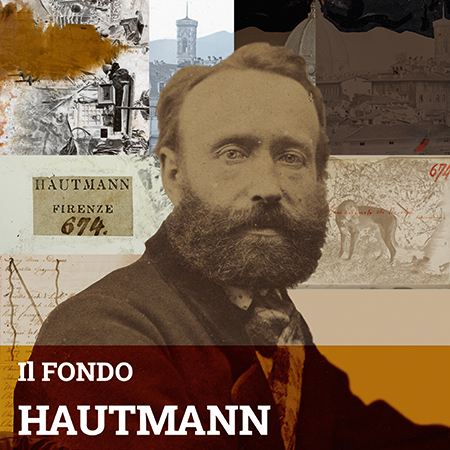
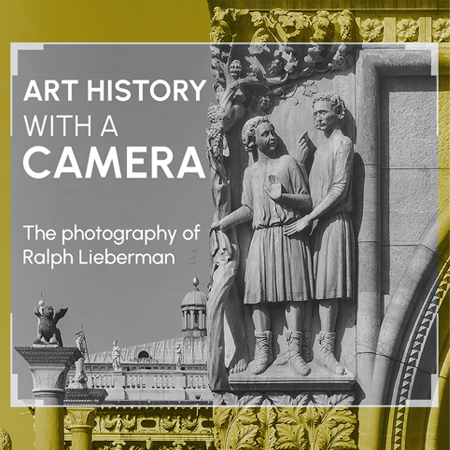
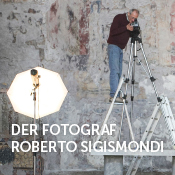
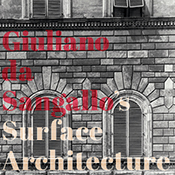
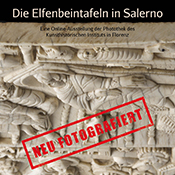
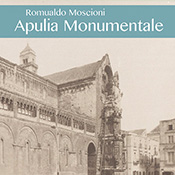
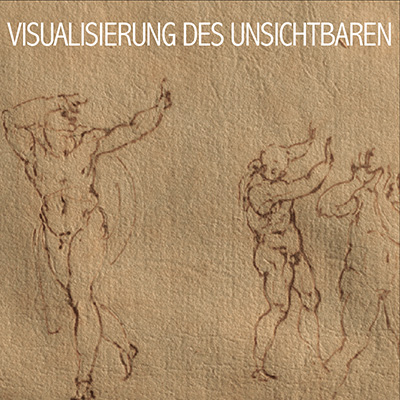
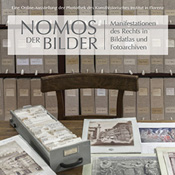
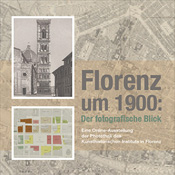
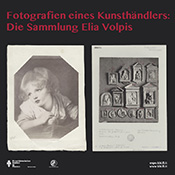
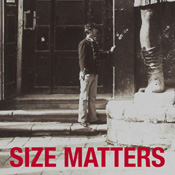
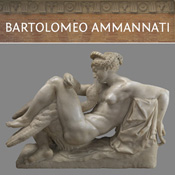
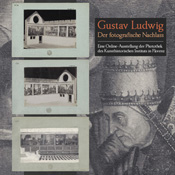
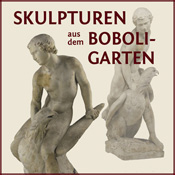
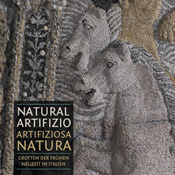
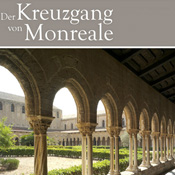
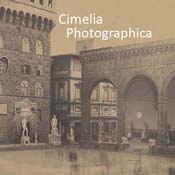
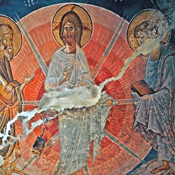
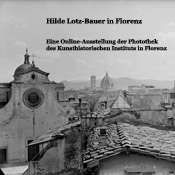
Die Online-Ausstellungen der Photothek des Kunsthistorischen Instituts in Florenz sprechen sowohl Wissenschaftler als auch ein breiteres Publikum an. Sie werden speziell für das Medium Internet konzipiert und nutzen somit die Möglichkeiten virtueller Präsentationen in konsequenter Weise. Die Ausstellungen bieten einen Einblick in die Tätigkeitsfelder der Photothek sowie in unsere wissenschaftsgeschichtlich bedeutsame Sammlung: historisches Fotomaterial zu Florenz, beispielsweise von Hilde Lotz-Bauer vor den Zerstörungen im Zweiten Weltkrieg; Dokumentationsaufnahmen während und nach der Flutkatastrophe in Florenz 1966; aktuelle Fotokampagnen wie die große Dokumentation von 2006 zur mittelalterlichen Kunst in Georgien; Präsentation von Sonderbeständen der Photothek wie der druckgraphischen Sammlung. Damit informiert die Photothek die Fachwelt über neue Fotokampagnen und aktuelle Forschungsvorhaben am Institut; sie sensibilisiert aber auch die breitere Öffentlichkeit für die Bedeutung der Fotografie in Hinblick auf die Konservierung unseres gefährdeten Kulturerbes.
Online-Ausstellungen